Where the Bad Reputation Came From
When someone tells me they don’t like Chardonnay, the first thing I ask is, have you had a good one? I usually get a shrug. And honestly, how would they know what a good one is? I ask when they last had one, and whether they’ve ever tried an aged Chardonnay. Almost nobody has.
Chardonnay’s bad name goes back about thirty years. In the 1980s and 1990s, California wineries rushed to make big, ripe, heavily oaked, buttery Chardonnay because it sold, and it sold in huge numbers. By the mid-1990s there was already a backlash, with plenty of people saying “anything but Chardonnay.” Many producers have since moved toward fresher, more balanced wines, but the reputation stuck. Today a lot of younger drinkers have never even tried that old style. They inherited the reputation without ever having a really good bottle to prove it wrong.
What Butter and Oak Really Are
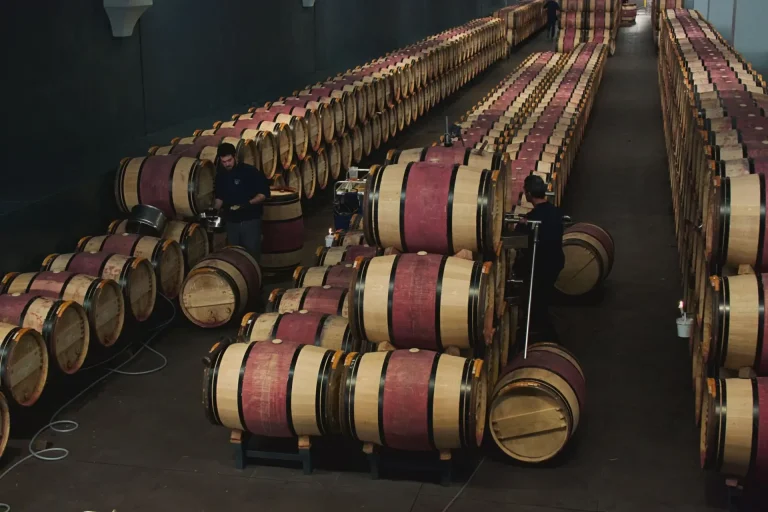
Ask someone who hates buttery, oaky wine what those words mean, and you’ll usually get a shrug. The butter flavor comes from something that happens after the grapes are fermented. Many winemakers let a second process run in the wine, where bacteria convert the sharp, green-apple tartness into a softer, creamier acid, the kind found in milk. As a side effect, the process produces a compound called diacetyl, which is the same thing that gives movie theater popcorn butter its flavor. Let it run all the way and you get that rich, buttery taste. The oak comes from the barrels, which are toasted over fire before the wine goes in. That toasting adds flavors like vanilla, toast, and baking spice. A little of either is lovely. A lot of either buries the fruit. Plenty of Chardonnays use very little new oak and skip the buttery step entirely, and they taste nothing like the wine people think they don’t like.
What Time Does to It
This is where it gets interesting. With age, the oak and the butter stop standing out and blend into the wine. The fresh fruit fades and gives way to toasted nuts, honey, beeswax, baked apple, and lemon curd. Very old bottles can pick up a savory, earthy note. The texture turns silky, and the finish goes on much longer than it did in a young wine.
Acidity makes all of this possible. A well-made Chardonnay has enough of it to hold the wine together for years. Without it, you just get something flat and tired.
Finding a Good One
If you want a reliable starting point, look to Chablis. It’s cool, limestone country in northern France, and the Chardonnays here have the sharp acidity that aging depends on. Read the label, though. Petit Chablis is meant to be drunk young. Standard Chablis is a step up. Premier Cru and Grand Cru are where the bottles that really last live. In California, look at the cooler spots: the Russian River Valley, the Sonoma Coast, and parts of the Central Coast. Fog and ocean air keep the acidity up, and that’s what lets those wines go the distance. Whatever you pick, go for balance over power, and buy bottles that already have some years on them.
I also tell people to spend at least $35 on a bottle. That’s a rule of thumb, not a law, but a $10 or $20 grocery store bottle usually won’t show you what this grape can do, and the cheap everyday stuff won’t improve with age.
Serving It Right
Skip the ice bucket. An older Chardonnay straight from the refrigerator tastes shut down, because it’s too cold. But I don’t bother taking the bottle out 20 minutes ahead, since that’s an easy step to skip. Pour it into a proper white wine glass right away and drink it slowly. Your first couple of sips may be on the cool side, and that’s fine. The wine warms up a bit faster in the glass than it does on the counter, and you get to taste the change. You find out what a Chardonnay is like when it’s too cold, and then what it turns into as it warms. I’m not talking about letting it get to room temperature. It should still be a chilled white wine, just not ice cold.
Just Try One
You’re allowed to dislike a wine. But if the last Chardonnay you had tasted like vanilla candy, you haven’t really met the grape. Open a good bottle, ideally one with some age on it, and give it an honest shot. When I’ve poured people a good Chardonnay, they’ve told me how much better it was than what they were used to.